
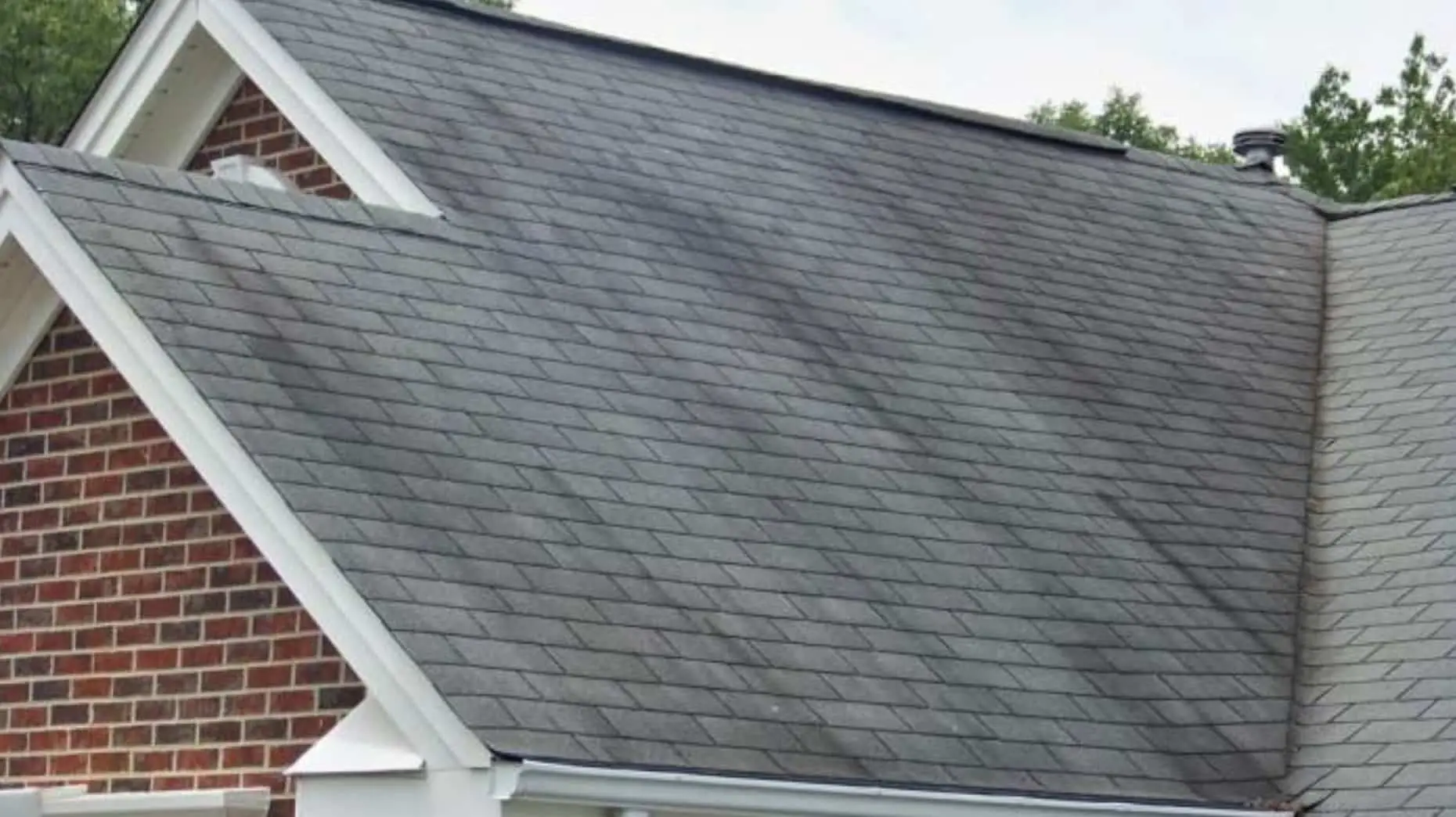
Unless you live in Hobbiton, algae on your roof is unsightly! But did you know that it can also damage your shingles and roof structure? The good news is that several effective algae removers can help you eliminate this pesky problem.
This guide will address your top questions on choosing the best roof algae remover and share tips on preventing its future growth. However, before we dive into this issue, let's first address why algae develops.
Why Does Algae Grow on Roofs?
- Moisture: Algae thrives in moist environments, so excess water on your roof can create the perfect conditions for future growth.
- Shade: Algae also prefers shady areas, so if your roof is surrounded by trees or shaded by nearby buildings, it may become more vulnerable.
- Poor ventilation: If your roof doesn't have adequate ventilation, it can trap moisture and create the perfect environment for algae to take hold.
- Organic debris: If there are leaves, twigs, or other organic debris on your roof, it offers a bounty food source for algae.
- Dirty or dusty surfaces: Algae can grow more easily on dirty or dusty surfaces, so regular roof cleaning and maintenance can help prevent algae growth.
- Type of roofing material: Some roofing materials, such as cedar or asphalt shingles, are more prone to algae growth than others. If you have a roof made of one of these materials, you may need to take extra precautions to prevent algae growth. A soft wash and GoNano NuRoof treatments won’t harm your shingles and will prevent algae growth long term.
Types of Algae Removers
The best method for removing algae will depend on your roof type and the severity of algae growth. For example, asphalt shingles may require a different algae killer than a metal roof. Therefore, consider any potential damage caused by the algae killer, such as discoloration or corrosion.
It's always a good idea to consult a professional to clarify the best course of action for your roof.
What is the Difference Between Moss and Algae?
Moss and algae are both common types of growth found on roofs, particularly in areas with moisture and shade, but they are not the same. Moss is a true plant with tiny stems and leaves, while algae is a plant-like organism that does not have true stems or roots. On a roof, algae typically appears as flat black or green streaks or stains running down asphalt shingles. It thrives in moist, humid conditions and is especially common on areas of the roof that receive limited sunlight. Moss, on the other had, has a green, fuzzy, raised appearance and can grow between and underneath shingles when moisture and shade are consistently present. While algae is often primarily a cosmetic concern, moss can become more problematic because it's grown can lift shingles and hold moisture against the roofing materials.
Expert Insight
"The difference between algae and moss on roof is that moss grows on the shingles is typically green and hairy looking and can damage shingles since it grows on them and can separate them. Algae is just staining of the shingles and is cosmetic and typically does not harm the performance of the shingles."
-John Thurber, President, All Elements Inc.
Applying Your Algae Killers on Roof
If algae has started growing on your roof, the safest first step is to have it evaluated by a roofing professional. Every roof is different, and using the wrong cleaning method or product can cause unnecessary damage to your shingles or create a serious fall hazard.
When algae removal is needed, professionals will determine the best approach based on your roof's material, age, and condition. Depending on the situation, they may use a specially formulated roof-cleaning solution or an environmentally friendly treatment designed to eliminate algae without harming the roofing system.
A typical professional algae removal process may include:
- Inspecting the roof to determine the extent of algae growth and identify any existing damage.
- Removing loose algae and debris using techniques that minimize wear on the roofing materials.
- Applying an appropriate algae treatment to kill existing growth and help prevent it from returning.
- Carefully removing any remaining dead algae without damaging the shingles.
- Cleaning away leftover debris and checking the roof to ensure it is in good condition.
Because walking on a roof and using cleaning products improperly can be dangerous, algae removal is best left to trained professionals who have the proper equipment and experience to complete the job safely and effectively.
How To Stop Algae from Growing on Roof
While using a algae killer effectively removes existing algae on your roof, you must take preventative measures to avoid future growth.
Here's a few tips.
Keep your roof clean
Debris like leaves, twigs, and branches can trap moisture and create a breeding ground for algae. Regularly cleaning your roof with a broom or leaf blower can help prevent this buildup and keep your roof dry.
Trim overhanging branches
Trim any branches that are hanging over your roof to prevent algae growth and reduce the risk of damage from falling branches during storms.
Make sure to hire a professional if the branches are too high or difficult to reach safely.
Improve ventilation in your attic
Make sure your attic has proper insulation and ventilation systems in place. Doing so will help regulate the temperature and humidity levels in your attic, preventing moisture buildup and reducing the risk of algae growth on your roof.
Algae Growing on Roof?
Don't let it go too long! Protect the integrity of your roof with effective algae removal. If you need help identifying the cause of your algae growth, or if algae has already damaged your shingles and left your home vulnerable to other damage, contact us today!
We will examine your property, repair the damage, and help you find the right roof algae remover that fits your schedule, needs, and budget.